
For many real estate investors and property owners, built-up equity can become a valuable financial tool.
A cash-out refinance allows borrowers to leverage that equity without selling the property, creating opportunities for acquisitions, renovations, debt consolidation, or short-term liquidity needs.
In recent years, cash-out refinancing activity has increased significantly as property values and homeowner equity levels have risen. According to ICE Mortgage Monitor Report, cash-out refinances accounted for nearly 60% of all refinance transactions during the second quarter of 2025. Borrowers extracted an average of approximately $94,000 in equity during these transactions.
For real estate investors, cash-out refinancing can provide flexibility and access to capital while maintaining ownership of an appreciating asset.
What is a Cash-Out Refinance?
A cash-out refinance replaces an existing mortgage with a new loan that has a larger balance. The borrower receives the difference between the old loan payoff amount and the new loan amount as cash at closing.
Unlike a traditional refinance, which is typically used to lower an interest rate or adjust loan terms, a cash-out refinance is specifically designed to unlock equity from a property.
For example:
Current property value: $1,000,000
Existing mortgage balance: $500,000
New refinance loan: $700,000
In this scenario, the borrower may receive approximately $200,000 in cash proceeds (minus fees and closing costs).
Many lenders generally require borrowers to maintain at least 20% equity after refinancing.
Cash-out refinancing has become increasingly popular because many property owners now hold record levels of tappable equity.

How Does a Cash-Out Refinance Work?
The cash-out refinance process typically involves four major steps:
Step 1: Property Valuation
The lender first determines the current market value of the property through an appraisal or valuation review.
Property value plays a critical role because it determines how much equity is available for refinancing. If the property has appreciated significantly since purchase, the borrower may be able to access a larger amount of cash.
For investment properties, lenders may also evaluate:
Property condition
Rental income
Occupancy status
Market trends
Comparable sales
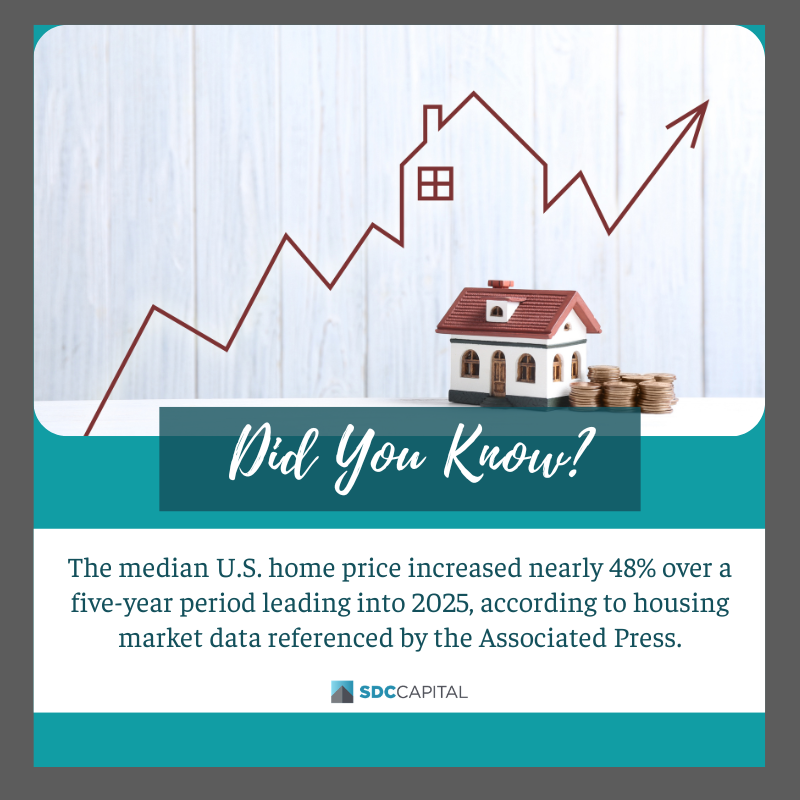
In many markets, rising property values have increased available equity substantially. The median U.S. home price increased nearly 48% over a five-year period leading into 2025, according to housing market data referenced by the Associated Press.
Step 2: Equity Calculation
Once the property value is established, the lender calculates available equity. This is commonly measured through the loan-to-value ratio (LTV).
For example:
Property value: $800,000
Maximum allowed LTV: 75%
Maximum refinance amount: $600,000
Existing mortgage balance: $400,000
Potential cash available:
$200,000 before fees and closing costs
Many cash-out refinance lenders cap leverage between 70% and 80% LTV depending on the property type, borrower profile, and loan program.
Step 3: Loan Underwriting
During underwriting, lenders evaluate the borrower’s financial qualifications and the overall risk profile of the loan.
This may include reviewing:
Credit score
Income documentation
Debt obligations
Liquidity reserves
Property cash flow
For investment properties, lenders may focus more heavily on the property’s income potential rather than traditional employment verification.
Step 4: Closing And Payout
After underwriting approval, the refinance transaction moves to closing.
At closing:
The old mortgage is paid off
New loan documents are executed
The borrower receives the remaining proceeds
Funds may be distributed through wire transfer or check depending on the lender and transaction structure.
The timing for receiving proceeds varies, but many refinance transactions close within a few weeks depending on complexity, documentation, and property type.
4 Common Uses of Cash-Out Refinancing
Cash-out refinancing is commonly used by investors and property owners looking to redeploy capital strategically.
Purchasing Another Investment Property
Many investors use cash-out refinancing to access equity for down payments or acquisitions.
Instead of selling an existing property, investors can leverage accumulated equity to expand their portfolio while retaining ownership of the original asset.
This strategy may help investors continue building long-term appreciation while creating additional investment opportunities.
Renovating or Repositioning a Property
Cash-out refinance proceeds are often used for renovations, value-add improvements, repairs, and repositioning projects. These improvements may increase rental income, occupancy rates, or resale value.
According to Mortgage Bankers Association survey data cited by Investopedia, renovations remain one of the most common uses of home equity withdrawals.
Paying Off Higher-Interest Debt
Some borrowers use cash-out refinancing to consolidate higher-interest obligations such as credit cards, private loans, short-term financing, and business debt.
Mortgage interest rates are often significantly lower than unsecured debt rates. In late 2025, average credit card interest rates exceeded 24%, while 30-year mortgage rates averaged near 6%.
However, borrowers should carefully evaluate the risks of converting unsecured debt into debt secured by real estate.
Bridge Financing Needs
Cash-out refinancing can also help investors address temporary liquidity needs between transactions.
For investors navigating competitive markets, quick access to capital can provide additional flexibility when pursuing opportunities.
Examples of Cash-Out Refinancing
Here are several examples of recent cash-out refinance transactions funded by SDC CAPITAL:
$407K Cash-Out Refinance in Los Angeles, CA
This refinance helped the borrower access significant equity from a Los Angeles property while maintaining ownership of the asset.
>> SDC CAPITAL Case Study – $407K Cash-Out Refinance
$1.1M Cash-Out Refinance in Los Angeles, CA
SDC CAPITAL funded a large cash-out refinance transaction that provided substantial liquidity backed by Los Angeles real estate.
>> SDC CAPITAL Case Study – $1.1M Cash-Out Refinance
$250K Cash-Out Refinance in Encino, CA
This cash-out refinance helped the borrower unlock equity from an investment SFR in Encino while maintaining a conservative 67% CLTV structure and ownership of the asset.
>> SDC CAPITAL Case Study – $250K Cash-Out Refinance
Frequently Asked Questions About Cash-Out Refinancing
1. What is a special purpose cash-out refinance?
A special purpose cash-out refinance refers to a refinance structured around a unique property type, borrower scenario, or investment objective. This may include investment properties, mixed-use assets, bridge situations, or non-traditional income structures.
These transactions often require more flexible underwriting than conventional residential financing.
2. When can I cash-out a refinance?
Eligibility timelines vary depending on the lender and loan program.
Some lenders require borrowers to own the property for at least six months before completing a cash-out refinance, while others may impose seasoning requirements based on title history or prior financing activity.
3. How hard is it to get approved for a cash-out refinance?
Approval difficulty depends on several factors, including available equity, property performance, borrower credit profile, debt obligations, income or DSCR, market conditions
Borrowers with strong equity positions, stable property income, and good financial history generally have a higher likelihood of approval.
—
Cash-out refinancing can be a powerful financing tool for real estate investors and property owners looking to unlock equity without selling their assets.
Whether the goal is expanding a portfolio, improving a property, consolidating debt, or addressing short-term liquidity needs, a properly structured cash-out refinance may provide strategic flexibility in a competitive market.
As with any financing decision, borrowers should carefully evaluate leverage, repayment obligations, and long-term investment objectives before proceeding.
Need help? Email info@sdccap.com or call 424-304-1072 to get started.